For many growing businesses, sustainability reporting feels like something only large corporations need to worry about, until a customer, investor, or compliance request suddenly makes it urgent. That is exactly why the Odoo 19 ESG app matters. Instead of relying on scattered spreadsheets and manual follow-ups, it brings reporting into a structured workflow inside the same enterprise resource management environment already handling finance, HR, operations, and purchasing. According to the official Odoo 19 ESG documentation, the app connects with Accounting, Fleet, Payroll, and Employees to automate ESG data collection and give businesses a real-time view of emissions and key sustainability metrics.
Why SMEs Should Care
About Automated Sustainability Reporting
Compliance pressure is moving down the supply chain
Not every SME in the US, Canada, UAE, or India is legally required to publish a formal ESG report today. Still, many smaller businesses are already being asked for sustainability data by enterprise clients, banks, and global partners. In July 2025, the European Commission adopted a voluntary sustainability reporting standard for SMEs to reduce the reporting burden and make value-chain requests more consistent. Then, in February 2026, the EU also narrowed the scope of mandatory CSRD reporting. Even so, many SMEs still need reliable and well-organized sustainability data to respond confidently when requests come in.
Manual reporting usually breaks on data quality
The biggest challenge is not always the report itself. It is the data behind it. Finance may hold supplier spending in one system, HR keeps workforce information elsewhere, and operations manages vehicles or logistics in a separate workflow. Yet leadership still expects one clear and reliable report. That is where an enterprise resource management system becomes valuable. Rather than building a reporting process outside the business, Odoo software allows companies to pull ESG-related data from the workflows they already use every day.
What the Odoo 19 ESG App Actually Does

It automates carbon footprint tracking from live business data
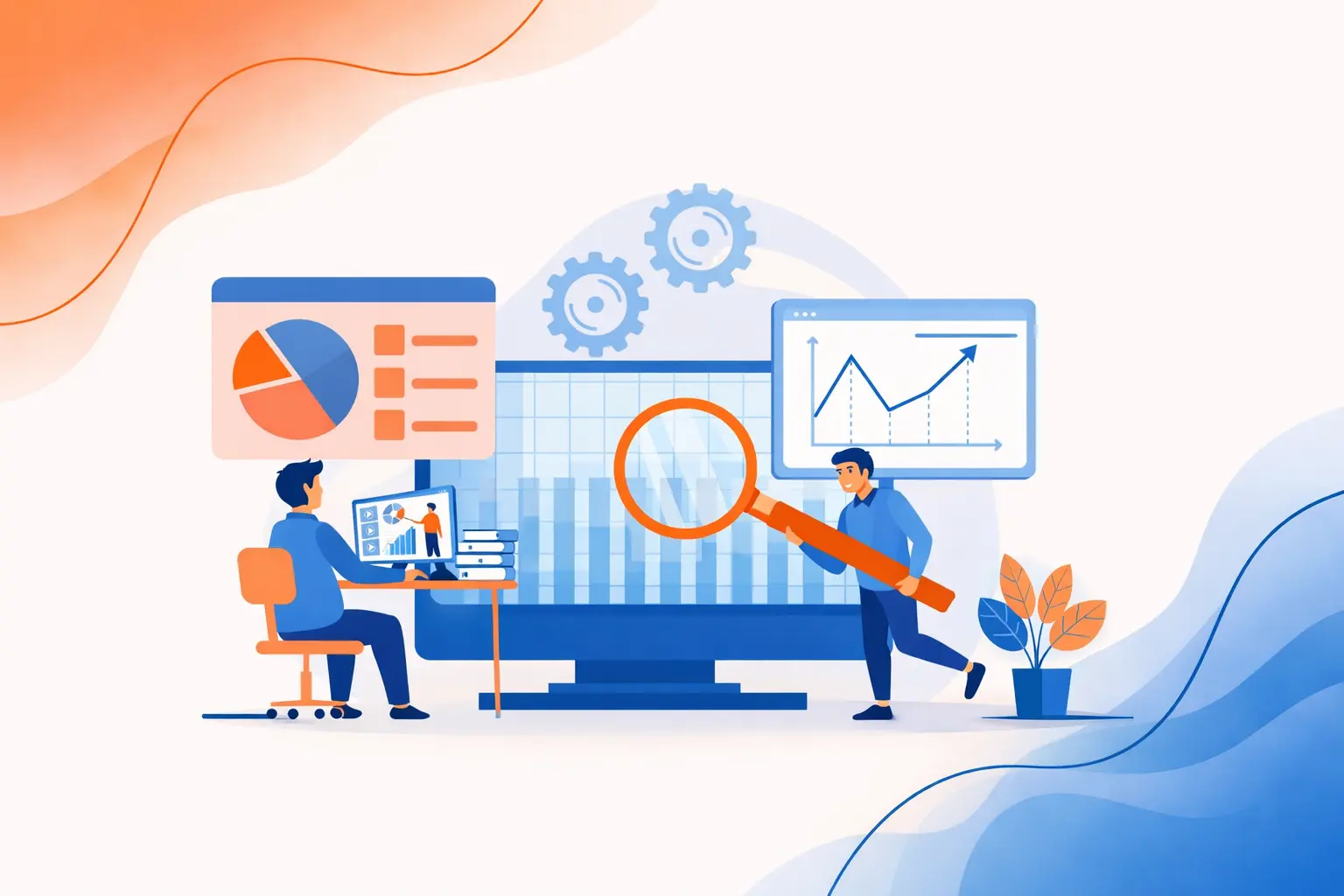
Odoo explains that its carbon footprint tool gathers activity data from accounting records, employee commuting activity, fleet data, and manual inputs, then calculates emissions in real time using the formula Activity data × Emission factor. The documentation also notes that posted journal entries in expense, asset, other expense, and cost of revenue accounts can be used in these calculations. For SMEs, this makes ERP reporting much easier because the data can flow directly from existing business activity instead of being rebuilt manually each reporting cycle.
It supports practical, standards-based reporting
Odoo 19 supports certified emissions-factor databases. The documentation references ADEME, while the Odoo 19 release notes also mention IPCC database integration for broader international use and stronger alignment with the GHG Protocol. This is especially important for businesses operating across regions, because cloud ERP systems only add real value when the data and calculations behind them are trustworthy and adaptable.
It maps data to Scope 1, 2, and 3
For companies evaluating an enterprise resource management system for ESG reporting, one of the most useful features is that Odoo maps emission factors to Scope 1, Scope 2, and Scope 3 categories based on the GHG Protocol. Scope 1 covers direct emissions, Scope 2 covers purchased energy, and Scope 3 includes other indirect value-chain emissions. The GHG Protocol Corporate Standard remains one of the most widely used frameworks for greenhouse-gas accounting, so this structure helps SMEs create reports that are easier to understand, explain, and share with partners or customers.

How This Looks in a Real SME Use Case
A practical example
Imagine a 120-person manufacturing company using Odoo for accounting, payroll, purchasing, and fleet management. Before adopting the Odoo 19 ESG app, the operations manager may spend days each quarter collecting fuel receipts, electricity bills, travel costs, and commuting estimates from different teams and files. After implementation, purchase and expense data can start feeding directly into the ESG workflow, while manual input is only needed for gaps such as waste management or outsourced logistics. Instead of juggling multiple spreadsheets, leadership gets one central dashboard with clearer visibility. That is the real benefit of sustainability reporting automation: less manual effort, stronger traceability, and quicker decision-making.

Where leaders see value first
Founders and CEOs gain a clearer view of sustainability reporting risks before customers or investors ask difficult questions.
CTOs and ERP owners reduce tool sprawl by keeping ESG processes inside the broader Odoo implementation roadmap.
Operations managers can identify high-impact spending categories and spot reduction opportunities earlier.
Finance teams spend less time chasing numbers and more time reviewing and validating them.
How to Roll Out the Odoo 19 ESG
App Without Overcomplicating It
Step 1: Start with the data you already trust
Begin with the information that is already available and reasonably reliable, such as accounting data, purchased energy, travel, fuel, fleet activity, and commuting. These categories are usually the easiest place to start because they already live inside existing business systems. A strong Odoo implementation does not try to measure everything on day one. It focuses first on the categories that matter most and can be tracked consistently.

Step 2: Define ownership and review rules
Decide early who will review emission factors, who will validate supplier categories, who will approve manual entries, and who will sign off on the final report. Automation works best when the process is clear, responsibilities are defined, and teams know exactly how data moves through the reporting workflow.
Step 3: Build for auditability and improvement
Odoo’s ESG logic includes assignation rules that allow emission factors to be linked automatically to products, partners, or accounts. The documentation also highlights uncertainty levels in emission factors. This gives SMEs a practical way to improve report quality over time instead of trying to make the first version perfect. It also creates a stronger foundation for auditability as reporting expectations continue to grow.
Conclusion
The Odoo 19 ESG app gives SMEs a practical way to bring sustainability reporting into daily operations rather than treating it as a last-minute, manual exercise. For businesses considering Odoo software, this is more than just a compliance feature. It is a smarter use of enterprise resource management to improve visibility, reduce reporting effort, and build credibility with customers, investors, and partners. If your business is planning an ESG-ready Odoo implementation, KoderXpert can help you map the right modules, reporting workflows, and automation steps for a setup that is practical, scalable, and easier to trust.

Frequently Asked Questions
The Odoo 19 ESG app helps businesses gather sustainability data from modules like Accounting, Fleet, Payroll, and Employees, making it easier to monitor emissions and create more organized ESG reports.
Yes. Many SMEs still receive sustainability data requests from larger clients, procurement teams, or financial institutions. The European Commission’s voluntary SME reporting standard was introduced to reduce this burden and make those requests more consistent.
Yes. Odoo’s ESG documentation shows that emission factors are mapped to Scope 1, Scope 2, and Scope 3 categories in line with the GHG Protocol, helping businesses maintain a more structured reporting process.
For an SME, a focused first phase can often begin within a few weeks if core Odoo apps are already in place and business data is reasonably clean. Larger or more customized Odoo implementation projects usually take more time, especially when they involve multiple entities or advanced approval workflows.
It is best to begin with the most reliable data available, such as purchased energy, fuel, travel, commuting, key purchased goods, and basic workforce information. A successful enterprise resource management system rollout starts with data that is useful and dependable, rather than trying to track everything at once.
Planning an ESG-Ready Odoo Implementation?
We help growing businesses configure Odoo 19 ESG for better reporting,
cleaner workflows, and long-term compliance readiness.