SEO and PPC work together by combining long-term organic visibility and immediate paid traffic. PPC lead generation is instant while SEO builds lasting authority and lowers cost per lead over time. However, businesses that invest in both PPC and SEO services can generate faster leads while building sustainable online visibilityUsed together, B2B companies generate leads faster, spend smarter, and build more trust with buyers.
Many companies still treat SEO and PPC as separate channels. SEO is seen as slow but stable and PPC as a fast but expensive channel for business growth. That's only half the picture. For B2B companies in the USA, UK, and Canada, buyers research before they enquire. They compare vendors, read case studies, and check trust signals before booking a call. A brand that shows up in both paid ads and organic results looks more established. This is why SEO and PPC marketing has become an effective strategy for B2B companies that want both immediate and long-term growth.
In this blog, you will know the best SEO and PPC practices that help your business to flourish and rank in the relevant search engine along with the combination that works best for your business.
What is SEO?
SEO (Search Engine Optimization) improves your website so it ranks higher in unpaid, organic search results. If someone searches "best ERP implementation company in the USA," SEO is what helps your site appear naturally for that query.
SEO covers keyword research, service page optimization, blog content, technical SEO, internal linking, page speed, schema markup, backlinks, and local SEO. The main goal shifts to attracting the right visitors and turning them into leads instead of just traffic. When combined with paid advertising, SEO becomes a key part of successful SEO and PPC management strategies.

What is SEO?
SEO (Search Engine Optimization) improves your website so it ranks higher in unpaid, organic search results. If someone searches "best ERP implementation company in the USA," SEO is what helps your site appear naturally for that query.
SEO covers keyword research, service page optimization, blog content, technical SEO, internal linking, page speed, schema markup, backlinks, and local SEO. The main goal shifts to attracting the right visitors and turning them into leads instead of just traffic. When combined with paid advertising, SEO becomes a key part of successful SEO and PPC management strategies.
What is PPC?
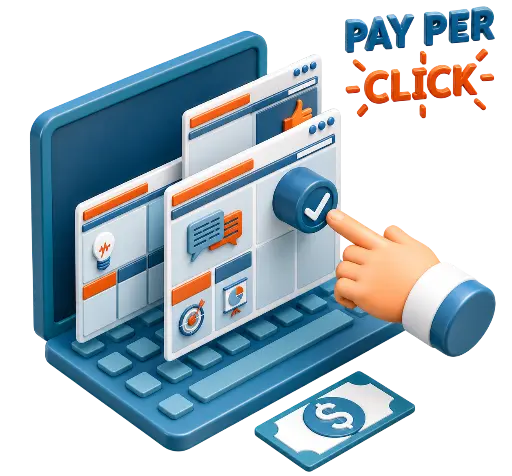
PPC (Pay-Per-Click) is paid advertising where you pay only when someone clicks your ad. Google Ads is the most common platform for B2B lead generation. Unlike SEO, PPC can start driving traffic almost immediately for targeted keywords like "PPC agency for B2B companies" or "Odoo implementation partner UK."
The tradeoff: every click costs money. Weak targeting, landing pages, or offers make PPC expensive without producing quality leads which is exactly why PPC performs best alongside strong SEO content.
What is PPC ?
PPC (Pay-Per-Click) is paid advertising where you pay only when someone clicks your ad. Google Ads is the most common platform for B2B lead generation. Unlike SEO, PPC can start driving traffic almost immediately for targeted keywords like "PPC agency for B2B companies" or "Odoo implementation partner UK."
The tradeoff: every click costs money. Weak targeting, landing pages, or offers make PPC expensive without producing quality leads which is exactly why PPC performs best alongside strong SEO content.
9 SEO and PPC Strategy That Work Together
There are many organic and paid search strategies that drive a business and its growth.
In this section, you will learn 9 effective ways SEO and PPC can support each other.
9 SEO and PPC Strategy That Work Together
There are many organic and paid search strategies that drive a business and its growth.
In this section, you will learn 9 effective ways SEO and PPC can support each other.
PPC Reveals High-Converting
Keywords Faster
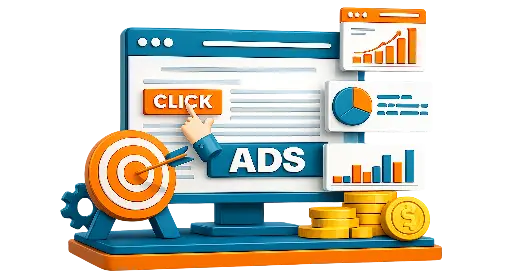
SEO usually requires time and testing to understand which keywords bring valuable traffic and enquiries. PPC campaigns can provide this information much faster by showing which keywords, locations, and audience groups generate the best results. However, by analyzing PPC data, businesses can identify high-performing search terms and use them to create SEO content, service pages, and landing pages that target keywords with a higher chance of conversion. This organic and paid search strategy will help your business to grow significantly and in the right direction.
PPC Reveals High-Converting
Keywords Faster
SEO usually requires time and testing to understand which keywords bring valuable traffic and enquiries. PPC campaigns can provide this information much faster by showing which keywords, locations, and audience groups generate the best results. However, by analyzing PPC data, businesses can identify high-performing search terms and use them to create SEO content, service pages, and landing pages that target keywords with a higher chance of conversion. This organic and paid search strategy will help your business to grow significantly and in the right direction.

SEO Lowers Long-Term PPC Costs
PPC requires continuous investment because you pay every time someone clicks on your advertisement. SEO helps reduce this dependency by improving your website’s organic rankings.
So, when your website starts ranking for important keywords, you can receive consistent traffic without paying for every visitor. This allows you to use your PPC budget more strategically for new products, competitive keywords, and expansion campaigns.
SEO Lowers Long-Term PPC Costs
PPC requires continuous investment because you pay every time someone clicks on your advertisement. SEO helps reduce this dependency by improving your website’s organic rankings.
So, when your website starts ranking for important keywords, you can receive consistent traffic without paying for every visitor. This allows you to use your PPC budget more strategically for new products, competitive keywords, and expansion campaigns.
PPC Drives Traffic While SEO Builds Rankings
New websites, service pages, and blog content often take time to appear in search results. PPC helps fill this gap by bringing targeted visitors immediately. While SEO efforts are building rankings, paid ads can generate leads, sales, and website traffic. This combination ensures your business remains visible throughout the customer search journey.
PPC Drives Traffic While SEO Builds Rankings
New websites, service pages, and blog content often take time to appear in search results. PPC helps fill this gap by bringing targeted visitors immediately. While SEO efforts are building rankings, paid ads can generate leads, sales, and website traffic. This combination ensures your business remains visible throughout the customer search journey.
SEO Creates Better PPC Landing Pages
SEO focuses on creating useful, well-structured, and user-friendly pages. These same improvements can make PPC landing pages more effective. Pages with clear information, fast loading speed, relevant keywords, FAQs, customer benefits, and strong calls to action can improve user experience and increase conversions from both paid and organic visitors.
SEO Creates Better PPC Landing Pages
SEO focuses on creating useful, well-structured, and user-friendly pages. These same improvements can make PPC landing pages more effective. Pages with clear information, fast loading speed, relevant keywords, FAQs, customer benefits, and strong calls to action can improve user experience and increase conversions from both paid and organic visitors.
PPC Targets Competitive Search Keywords
Some keywords are highly competitive and may take months or even years to rank for organically. PPC allows businesses to appear at the top of search results immediately for these valuable keywords. While paid ads provide quick visibility, SEO can continue building website authority and improving organic rankings over time.

PPC Targets Competitive Search Keywords
Some keywords are highly competitive and may take months or even years to rank for organically. PPC allows businesses to appear at the top of search results immediately for these valuable keywords. While paid ads provide quick visibility, SEO can continue building website authority and improving organic rankings over time.

SEO and PPC Increase Search Visibility
When your business appears in both paid advertisements and organic search results, it creates a stronger presence on search engines. Users are more likely to trust brands that appear multiple times on the search results page. This increased visibility helps improve brand awareness, credibility, and the chances of attracting qualified customers.
SEO and PPC Increase Search Visibility
When your business appears in both paid advertisements and organic search results, it creates a stronger presence on search engines. Users are more likely to trust brands that appear multiple times on the search results page. This increased visibility helps improve brand awareness, credibility, and the chances of attracting qualified customers.
PPC Re-engages SEO Visitors
Not every website visitor becomes a customer during their first visit. Some users may need more time before making a decision. PPC remarketing campaigns help bring these visitors back by showing relevant ads, special offers, or useful information. This keeps your brand in front of potential customers and increases the chances of conversion.

PPC Re-engages SEO Visitors
Not every website visitor becomes a customer during their first visit. Some users may need more time before making a decision. PPC remarketing campaigns help bring these visitors back by showing relevant ads, special offers, or useful information. This keeps your brand in front of potential customers and increases the chances of conversion.

SEO Content Strengthens PPC Campaigns
High-quality SEO content, such as blogs, guides, case studies, and service pages, can support PPC campaigns by providing valuable information to users. Instead of sending every visitor to a basic sales page, businesses can use helpful content to educate potential customers, build trust, and improve the overall performance of paid campaigns.
SEO Content Strengthens PPC Campaigns
High-quality SEO content, such as blogs, guides, case studies, and service pages, can support PPC campaigns by providing valuable information to users. Instead of sending every visitor to a basic sales page, businesses can use helpful content to educate potential customers, build trust, and improve the overall performance of paid campaigns.
PPC Insights Improve SEO Content
PPC campaigns provide useful data about what attracts your audience. By analyzing successful ad headlines, keywords, and calls to action, businesses can understand customer preferences. These insights can be used to improve SEO page titles, headings, meta descriptions, and website content. As a result, SEO pages can achieve better click-through rates and provide a better user experience.
Combining SEO and PPC creates a balanced marketing approach. PPC delivers quick results and valuable data, while SEO builds sustainable growth and long-term visibility.

PPC Insights Improve SEO Content
PPC campaigns provide useful data about what attracts your audience. By analyzing successful ad headlines, keywords, and calls to action, businesses can understand customer preferences. These insights can be used to improve SEO page titles, headings, meta descriptions, and website content. As a result, SEO pages can achieve better click-through rates and provide a better user experience.
Combining SEO and PPC creates a balanced marketing approach. PPC delivers quick results and valuable data, while SEO builds sustainable growth and long-term visibility.


SEO vs PPC: Which One is Better?
The better question isn't "SEO or PPC". It's "How do SEO and PPC work together?"
SEO vs PPC: Which One is Better?
The better question isn't "SEO or PPC". It's "How do SEO and PPC work together?"
SEO
wins at long-term visibility, authority, and lower cost per lead over time.
PPC
wins at speed, keyword testing, and immediate lead generation.
SEO
wins at long-term visibility, authority, and lower cost per lead over time.
PPC
wins at speed, keyword testing, and immediate lead generation.
Pros and Cons of SEO
Factor
- Traffic
- Cost
- Results
- Credibility
- User Experience
- Competition
- Maintenance
- Search Engine Algorithms
-
Pros
- Increases organic (unpaid) website traffic.
- Cost-effective in the long term as there is no cost per click.
- Provides sustainable, long-term visibility and traffic.
- Higher rankings improve brand trust & credibility.
- Encourages faster, mobile-friendly & user-friendly websites.
- Helps gain a competitive advantage over businesses with poor SEO.
- Well-optimized content can continue attracting visitors over time.
- Following best practices can improve search visibility.
-
Cons
- Traffic growth takes time to build.
- Requires ongoing investment in content and optimization.
- Results are not immediate and may take months.
- No guarantee of maintaining top rankings.
- Technical improvements may require expertise & resources.
- Ranking is difficult in highly competitive industries.
- Requires regular updates and continuous optimization.
- Algorithm updates can negatively impact rankings and traffic.
-
Pros and Cons of SEO
Factor
- Traffic
- Cost
- Results
- Credibility
- User Experience
- Competition
- Maintenance
- Search Engine Algorithms
-
Pros
- Increases organic (unpaid) website traffic.
- Cost-effective in the long term as there is no cost per click.
- Provides sustainable, long-term visibility and traffic.
- Higher rankings improve brand trust & credibility.
- Encourages faster, mobile-friendly & user-friendly websites.
- Helps gain a competitive advantage over businesses with poor SEO.
- Well-optimized content can continue attracting visitors over time.
- Following best practices can improve search visibility.
-
Cons
- Traffic growth takes time to build.
- Requires ongoing investment in content and optimization.
- Results are not immediate and may take months.
- No guarantee of maintaining top rankings.
- Technical improvements may require expertise & resources.
- Ranking is difficult in highly competitive industries.
- Requires regular updates and continuous optimization.
- Algorithm updates can negatively impact rankings and traffic.
-
Pros and Cons of PPC
Factor
- Traffic
- Cost
- Results
- Credibility
- User Experience
- Competition
- Maintenance
- Search Engine Algorithms
-
Pros
- Generates immediate traffic and can target specific audiences.
- Provides full control over advertising budget and spending.
- Delivers fast, measurable and trackable results.
- Increases brand visibility at the top of search results.
- Allows users to land on highly relevant, optimized landing pages.
- Enables businesses to compete for visibility regardless of organic rankings.
- Campaigns can be adjusted quickly based on performance data.
- Less affected by organic search ranking algorithm updates.
-
Cons
- Traffic stops as soon as the advertising budget is exhausted or campaigns are paused.
- Can become expensive, especially for competitive keywords with higher cost-per-click (CPC).
- Requires continuous spending to maintain visibility and results.
- Many users are less likely to trust paid ads compared to organic search results.
- Poorly designed landing pages can lead to low conversion rate. Moreover, repeated ads can create ads fatigue (monotony for users)
- High competition can drive up CPC and make campaigns less cost-effective.
- Requires ongoing monitoring, optimization, and budget management.
- Subject to changes in advertising policies, Quality Score, and bidding systems that can impact performance.
-
SEO and PPC each have their own strengths and limitations. SEO is effective for long-term growth and organic traffic, while PPC provides immediate visibility and faster results. Choosing the right strategy depends on a business's goals, budget, and timeline. Using both together can help achieve both short-term and long-term marketing objectives.
SEO and PPC each have their own strengths and limitations. SEO is effective for long-term growth and organic traffic, while PPC provides immediate visibility and faster results. Choosing the right strategy depends on a business's goals, budget, and timeline. Using both together can help achieve both short-term and long-term marketing objectives.
An 8-Step Strategy to Combine SEO and PPC
There are many instances where businesses know about SEO and PPC separately. But they fail to create an organic and paid search strategy.
Hence, this section gives you a step-by-step guide to avoid any further confusions.
An 8-Step Strategy to Combine
SEO and PPC
There are many instances where businesses know about SEO and PPC separately. But they fail to create an organic and paid search strategy.
Hence, this section gives you a step-by-step guide to avoid any further confusions.
Define the Lead Goal
Start by identifying the primary conversion goal for your campaign, whether it's demo bookings, consultations, quote requests, or contact form submissions. A clearly defined objective ensures your SEO and PPC strategies are aligned with measurable business outcomes.
Research High-Intent Keywords
Focus on keywords that indicate strong purchase intent rather than general informational searches. These high-intent terms attract users who are actively looking for solutions and are more likely to become qualified leads.
Launch PPC First
Run PPC campaigns first to quickly test keywords, geographic targeting, ad messaging, and offers. Paid campaigns provide fast performance data, helping you identify which search terms generate the highest-quality leads before investing heavily in SEO.
Define the Lead Goal
Start by identifying the primary conversion goal for your campaign, whether it's demo bookings, consultations, quote requests, or contact form submissions. A clearly defined objective ensures your SEO and PPC strategies are aligned with measurable business outcomes.
Research High-Intent Keywords
Focus on keywords that indicate strong purchase intent rather than general informational searches. These high-intent terms attract users who are actively looking for solutions and are more likely to become qualified leads.
Launch PPC First
Run PPC campaigns first to quickly test keywords, geographic targeting, ad messaging, and offers. Paid campaigns provide fast performance data, helping you identify which search terms generate the highest-quality leads before investing heavily in SEO.
Build SEO Pages
Use the keyword insights gained from successful PPC campaigns to create optimized landing pages and service pages. This approach ensures your SEO efforts target search terms that have already demonstrated conversion potential.
Improve Landing Pages
Analyze both SEO and PPC performance data to optimize landing pages continuously. Refine headlines, calls-to-action, page layouts, and content based on user behavior to increase conversion rates across both channels..
Retarget Visitors
Implement retargeting campaigns to reconnect with visitors who left your website without converting. Display relevant ads that remind them of your services and encourage them to return and complete their inquiry.
Build SEO Pages
Use the keyword insights gained from successful PPC campaigns to create optimized landing pages and service pages. This approach ensures your SEO efforts target search terms that have already demonstrated conversion potential.
Improve Landing Pages
Analyze both SEO and PPC performance data to optimize landing pages continuously. Refine headlines, calls-to-action, page layouts, and content based on user behavior to increase conversion rates across both channels..
Retarget Visitors
Implement retargeting campaigns to reconnect with visitors who left your website without converting. Display relevant ads that remind them of your services and encourage them to return and complete their inquiry.
Track Lead Quality Over Quantity
Go beyond counting form submissions by measuring lead quality. Evaluate which campaigns generate genuine sales opportunities, qualified prospects, and revenue instead of focusing solely on lead volume.
Optimize Performance Every Month
Review SEO rankings, cost per lead, conversion rates, and sales feedback regularly. Combining insights from marketing and sales teams allows you to refine both SEO and PPC strategies for sustained lead generation and better return on investment.
Track Lead Quality Over Quantity
Go beyond counting form submissions by measuring lead quality. Evaluate which campaigns generate genuine sales opportunities, qualified prospects, and revenue instead of focusing solely on lead volume.
Optimize Performance Every Month
Review SEO rankings, cost per lead, conversion rates, and sales feedback regularly. Combining insights from marketing and sales teams allows you to refine both SEO and PPC strategies for sustained lead generation and better return on investment.
Conclusion
SEO and PPC aren't competitors, they're stronger together. PPC delivers speed and real-time keyword data. SEO delivers sustainability, authority, and long-term lead flow. For B2B companies targeting the USA, UK, and Canada, where buyers research carefully before contacting a vendor, showing up in both paid and organic search builds the trust needed to convert.
If your goal is more qualified leads, faster, don't choose between SEO and PPC.
Use PPC to capture demand today and SEO to build a lead-generation asset that keeps paying off long after the ad budget is spent.
Conclusion
SEO and PPC aren't competitors, they're stronger together. PPC delivers speed and real-time keyword data. SEO delivers sustainability, authority, and long-term lead flow. For B2B companies targeting the USA, UK, and Canada, where buyers research carefully before contacting a vendor, showing up in both paid and organic search builds the trust needed to convert.
If your goal is more qualified leads, faster, don't choose between SEO and PPC.
Use PPC to capture demand today and SEO to build a lead-generation asset that keeps paying off long after the ad budget is spent.
Ready to Generate More Qualified Leads?
Discover how SEO and PPC can work together to increase visibility, reduce wasted ad spend, and improve conversions.
Book a Consultation

Ready to Generate More Qualified Leads?
Discover how SEO and PPC can work together to increase visibility, reduce wasted ad spend, and improve conversions.
Book a Consultation

Frequently Asked Questions
SEO and PPC work together by combining organic visibility with paid search traffic. PPC brings immediate visitors and keyword data, while SEO builds long-term rankings, trust, and lower-cost traffic over time.
PPC does not help SEO ranking directly. But it provides keyword, messaging, and landing page insights that strengthen SEO strategy and conversion performance.
SEO is better for sustainable, long-term lead generation. PPC is better for immediate visibility and fast traffic. The strongest results come from using both together.
Yes, SEO can reduce PPC cost in the long run. As organic rankings improve, businesses often depend less on paid clicks for certain keywords, and better SEO landing pages can also improve PPC conversion rates.
PPC can drive traffic within days of launch. SEO typically takes several months to build rankings and authority - which is why many companies use PPC for short-term leads and SEO for long-term growth.
Build location-specific SEO pages, run PPC campaigns segmented by country or region, test keywords with PPC first, strengthen landing pages using shared data, use retargeting, and track lead quality by market.
Frequently Asked Questions
SEO and PPC work together by combining organic visibility with paid search traffic. PPC brings immediate visitors and keyword data, while SEO builds long-term rankings, trust, and lower-cost traffic over time.
PPC does not help SEO ranking directly. But it provides keyword, messaging, and landing page insights that strengthen SEO strategy and conversion performance.
SEO is better for sustainable, long-term lead generation. PPC is better for immediate visibility and fast traffic. The strongest results come from using both together.
Yes, SEO can reduce PPC cost in the long run. As organic rankings improve, businesses often depend less on paid clicks for certain keywords, and better SEO landing pages can also improve PPC conversion rates.
PPC can drive traffic within days of launch. SEO typically takes several months to build rankings and authority - which is why many companies use PPC for short-term leads and SEO for long-term growth.
Build location-specific SEO pages, run PPC campaigns segmented by country or region, test keywords with PPC first, strengthen landing pages using shared data, use retargeting, and track lead quality by market.