Design Is Not a Format. It’s an Idea.
Most people believe that design should look a certain way — clean, balanced, and familiar. However, this belief is not rooted in creativity; it is the result of conditioning.
We have been trained to accept what we have already seen. When something looks different, we tend to question it — not because it is wrong, but because it feels unfamiliar.
But if every individual thinks differently, why should design always look the same?

The Problem Isn’t Design. It’s the Way We Think About It.
We often say:
This is how design should be
This doesn’t follow design rules
This isn’t standard
What we actually mean is:
This doesn’t match what I am used to seeing.
This is not a design problem , It is a mindset problem.

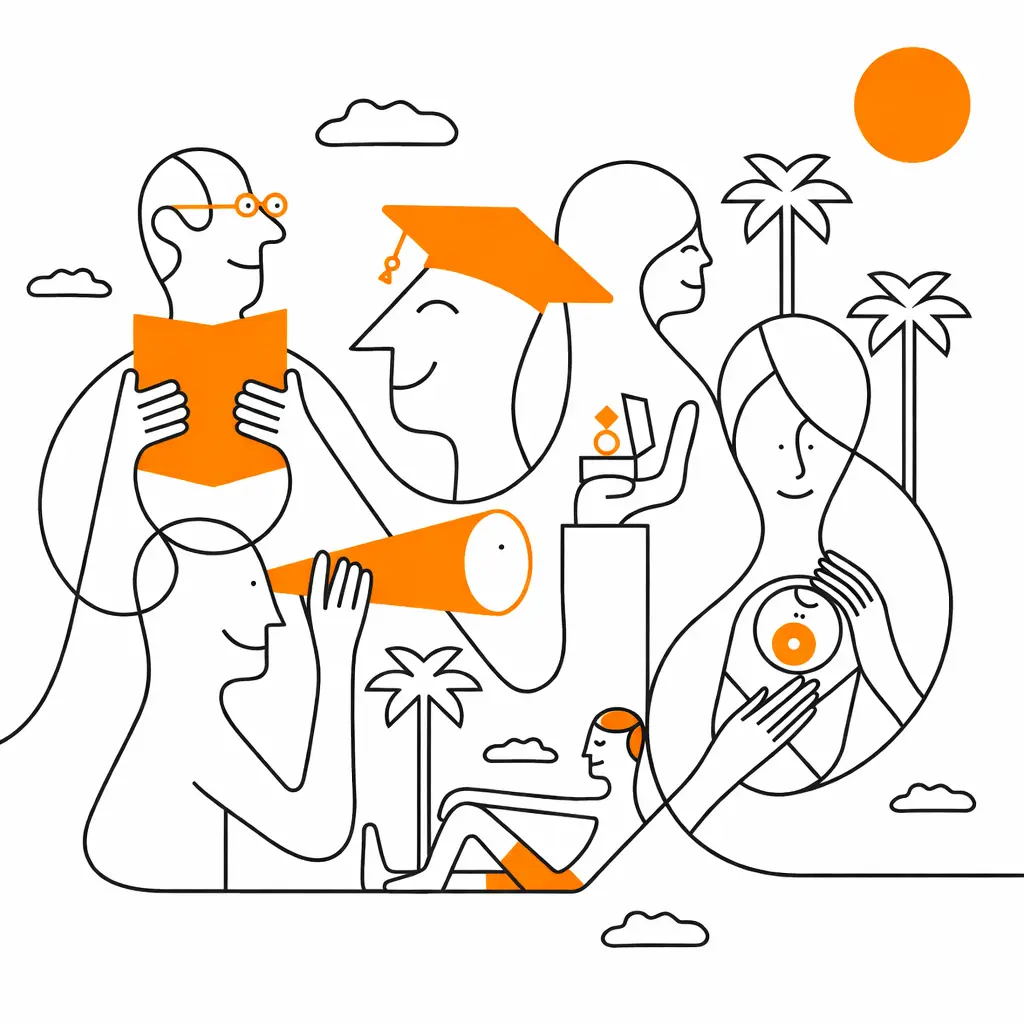
When Design Follows Rules,It Stops Creating.
Rules are based on what has worked in the past, while ideas focus on what is needed in the present. If design only followed rules, nothing new would exist, as innovation comes from questioning the obvious and exploring new directions. Good design understands when to use structure — and when to move beyond it.
Design Principles That Set Ideas Apart
Thought Over Tools
Design isn’t just alignment, fonts, or colors; it’s guided by thought and intent, where strong ideas shape visuals to communicate clearly in real-world contexts.
Ideas Over Trends
Trends may guide direction, but ideas create lasting identity. While trend-driven design often seeks approval, idea-driven design focuses on meaning, clarity, and building long-term impact that stays relevant over time.
Creating, Not Following
Great design does not follow existing formats — it creates new ones. Innovation happens when designers question traditional standards and focus on what truly makes logical sense, instead of relying only on what feels familiar.
Multiple Perspectives Matter
Design has no single correct answer; different approaches can work effectively because it is always shaped by context, perspective, purpose, and real-world situations. .
Perfection Is Not the Goal. Expression Is.
The obsession with perfection limits creativity.
When designers fear making mistakes, experimentation stops. Without experimentation, design becomes predictable.
Imperfection brings authenticity.
Authenticity builds connection.

Templates Are the End of Thinking — Not the Start of Design
Templates help save time.
They do not create ideas.
When everyone uses the same layouts, originality disappears. True design begins when comparison ends.
The moment we stop copying, we start creating.
So What Is Design?
Design is:
- An idea given form
- A thought made visible
- A problem solved with intention
- A feeling translated into structure
Design is not a rulebook.
It never was.
Conclusion
Design isn’t about fitting formats or following trends.
It’s about shaping ideas into something meaningful.
Because every mind thinks differently,design should too.
Anything can become design—when it begins with an idea.
KoderXpert continues to deliver on its promise:
Transforming Ideas into Digital Excellence.
Frequently asked questions
No. Design is subjective and contextual. Multiple approaches can be correct depending on the problem, audience, and purpose.
An effective design is driven by intention and purpose. It communicates clearly, solves a problem, and connects with its audience — regardless of whether it follows traditional formats.
Originality helps create identity and differentiation. Relying too much on templates or familiar patterns can limit creativity and reduce impact.